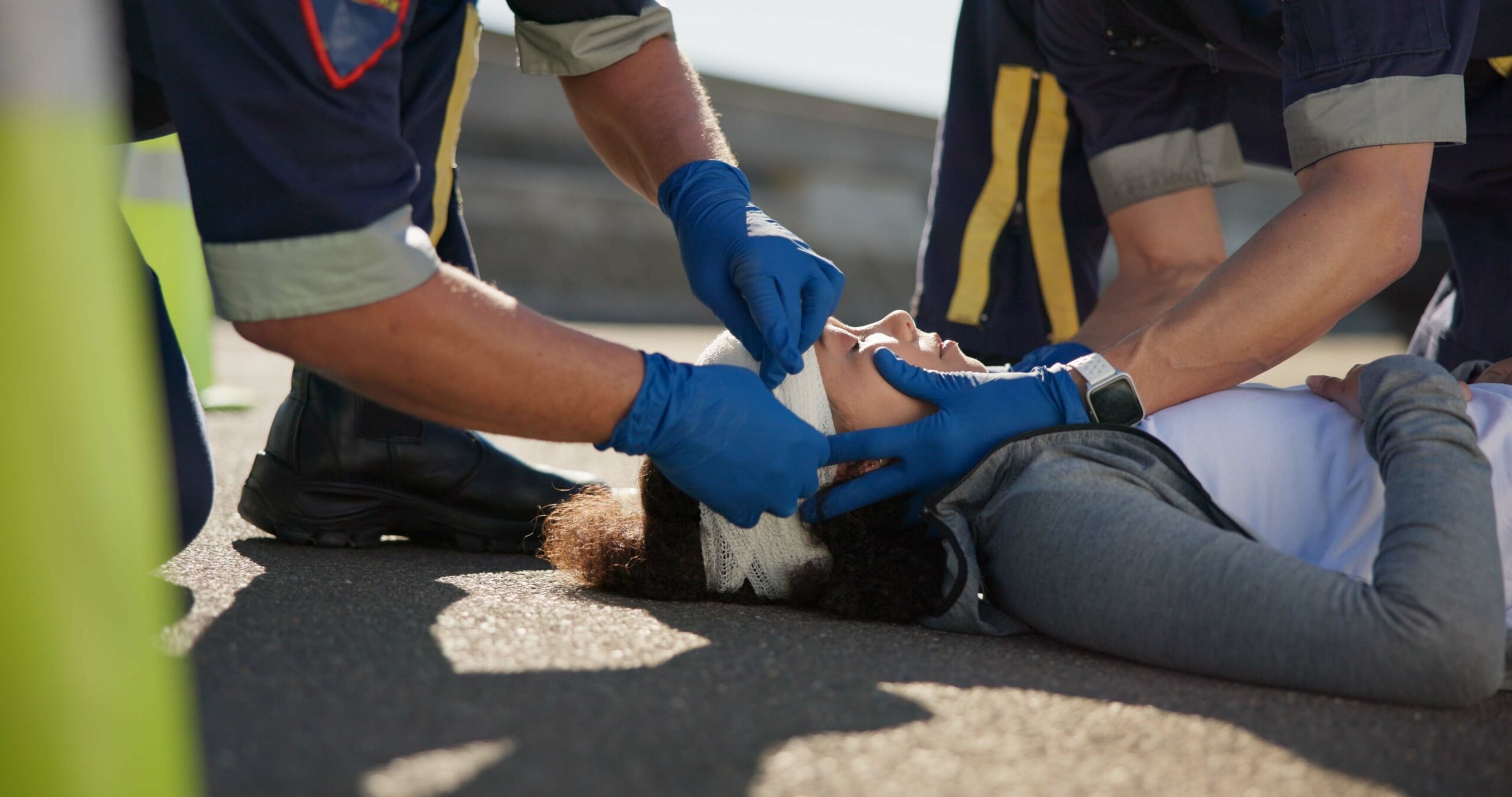
Car accidents happen in seconds, but the injuries they cause can last for months or even years. Whether you were in a minor fender bender or a high-speed collision, the forces involved can damage muscles, bones, nerves, and organs in ways that are not always immediately apparent. Some serious injuries produce little pain at the scene and then worsen over the following hours or days as inflammation sets in and adrenaline fades.
Freedom Injury Network is a coordinated care network that connects injured patients with medical specialists, treatment programs, and legal support after a car accident. Our approach is designed to help prevent important details from falling through the cracks during recovery and to support thorough documentation of your care from the start. Call 480-535-6300 to get started.
How Car Accident Injuries Happen
The human body is not designed to absorb the forces generated during a vehicle collision. When a crash occurs, the body experiences sudden deceleration, blunt force impact, twisting motions, and in some cases direct contact with the vehicle interior, seatbelt, or airbag. Each of these forces can damage different structures in different ways.
The type of collision also shapes the injury pattern:
- Rear-end collisions often produce the rapid neck-whipping motion that can cause whiplash and soft tissue injuries to the cervical spine.
- T-bone and side-impact crashes expose occupants to lateral forces the body is least equipped to handle, leading to rib fractures, shoulder injuries, and internal trauma.
- Head-on collisions typically generate very high energy transfer and are often associated with severe injuries including traumatic brain injuries, chest trauma, and lower extremity fractures.
- Rollover accidents subject occupants to multiple impact sequences and are often associated with spinal cord injuries and complex multi‑site trauma.
- Low‑speed crashes that produce little visible vehicle damage can still generate enough force to injure soft tissue and should not be dismissed simply because the collision appears minor.
- Traumatic accidents every accident entails some form of trauma, and accidents where serious injury or death has occurred can be especially traumatic requiring care beyond the physical injuries.
Most Common Car Accident Injuries
If you have been injured in a crash, it is important to understand the types of injuries that can occur and when to seek care. Freedom Injury Network connects car accident victims with experienced providers who evaluate these injuries, coordinate appropriate treatment, and support both short- and long‑term recovery needs.
Soft Tissue Injuries
Whiplash is one of the most commonly reported car accident injuries and occurs when the neck snaps forward and backward rapidly during a rear-end collision. Symptoms may include neck pain and stiffness, headaches at the base of the skull, shoulder pain, and in some cases dizziness and cognitive fog. Whiplash often responds well to certain pain management injections, physical therapy, and targeted rehabilitation, especially when treatment begins promptly.
Sprains and strains involve damage to ligaments and muscles throughout the body and are common across all crash types. Swelling, tenderness, and limited range of motion are typical symptoms. Recovery time varies from days to months depending on severity.
Contusions are deep bruising injuries that can affect muscle and underlying tissue. While surface bruising is visible, contusions can also indicate deeper damage and in some cases internal bleeding that requires further evaluation.
Head and Brain Injuries
Concussions are a common type of traumatic brain injury seen after car accidents and can occur even without a direct blow to the head. Symptoms may include headache, dizziness, confusion, sensitivity to light and sound, and difficulty concentrating. Concussions are frequently underdiagnosed because victims feel relatively functional at the scene.
Traumatic brain injuries encompass a spectrum of more serious neurological damage that can potentially cause memory loss, personality changes, cognitive impairment, and long-term disability. TBIs require immediate medical evaluation and ongoing neurological monitoring.
Skull fractures often result from severe direct impact and constitute a medical emergency. They are most commonly seen in high-energy collisions and require emergency imaging and often surgical intervention.
Neck and Back Injuries
Herniated discs occur when the impact of a crash compresses or displaces the cushioning discs between vertebrae, causing the inner material to press against nearby nerves. Symptoms may include sharp or burning pain, numbness, and tingling that radiates into the arms or legs depending on the location of the herniation.
Spinal cord injuries can range from incomplete injuries causing partial loss of function to complete injuries that may result in paralysis. They are most often associated with high-energy crashes including rollovers and head-on collisions and often require immediate emergency care and long-term rehabilitation.
Chronic back pain is a common long-term consequence of some car accidents. Even injuries that seem to heal may leave patients with recurring pain, stiffness, and functional limitations that affect quality of life for years after the crash.
Bone and Joint Injuries
Fractures to the arms, wrists, legs, ribs, and clavicle are common across all crash types and result from impact with the steering wheel, door, dashboard, or vehicle frame. Rib fractures are particularly concerning because they may complicate breathing or mask underlying chest injuries.
Dislocations of the shoulder and knee occur when the force of a crash displaces a joint from its normal position. They are often painful, immediately limiting, and require prompt reduction and rehabilitation to restore function.
Pelvic injuries are associated with high-impact crashes and may involve fractures to the pelvic ring that affect stability, mobility, and in some cases internal organs. These injuries often require significant recovery time and surgical management in severe cases.
Internal and Hidden Injuries
Internal bleeding is a particularly dangerous and deceptive car accident injury because it may produce few external signs in its early stages. Symptoms such as abdominal pain, dizziness, and increasing weakness may develop hours after the crash. Internal bleeding is a medical emergency that may become life-threatening without prompt intervention.
Organ damage to the liver, spleen, or lungs can occur from blunt abdominal or chest trauma. The spleen is particularly vulnerable in side-impact crashes and can rupture without producing dramatic early symptoms.
Abdominal injuries often include injuries to the bowel and mesentery that may result from seatbelt forces during a sudden stop, particularly in high-speed collisions.
Other Common Injuries
Cuts and lacerations from broken glass, sharp debris, or metal contact can range from superficial wounds to deep lacerations requiring surgical closure. Even wounds that appear minor should be properly cleaned and evaluated to prevent infection.
Burns can result from contact with hot engine components, fuel fires, or airbag deployment, which releases a chemical propellant that can cause skin irritation and burns on contact.
Knee injuries including posterior cruciate ligament (PCL) injuries and meniscus tears frequently result from the knee striking the dashboard during a head-on collision. These injuries can significantly affect mobility and often require surgical intervention.
Psychological injuries including PTSD, anxiety, and depression are genuine medical conditions that commonly follow serious car accidents. Flashbacks, avoidance of driving, sleep disruption, and persistent fear are symptoms that deserve clinical attention alongside physical recovery.
Symptoms to Watch After a Car Accident
The absence of immediate severe pain does not necessarily mean you were not injured. Watch for neck and back pain or stiffness that develops in the hours following the crash, headaches that begin or worsen after the accident, numbness or tingling in the arms or legs, dizziness or cognitive difficulties that were not present before the crash, abdominal pain or tenderness, and mood changes or difficulty sleeping that follow the accident. Any of these symptoms warrant prompt medical evaluation. Do not wait to see whether they resolve on their own.
What to Do After a Car Accident Injury
- Seek medical attention as soon as possible after a crash, even if you feel functional at the scene. Call emergency services and remain at the scene until law enforcement has documented the crash.
- Photograph vehicle damage, road conditions, and any visible injuries before leaving. Collect the other driver’s insurance and contact information along with witness names and numbers.
- Contact Freedom Injury Network at 480-535-6300 to connect with the right medical specialists and begin coordinated care as early as possible.
- Follow up with medical providers within the first few days for a comprehensive evaluation of all symptoms, even those that seem minor. Track your symptoms, treatments, and how the injury is affecting your daily activities.
- Consider speaking with legal counsel before providing detailed statements to insurance adjusters, as early statements may be used in ways that affect how your claim is evaluated.
- Follow your prescribed treatment plan consistently and attend all physical therapy and specialist appointments.
- Maintain thorough documentation of every medical visit, expense, and symptom progression, as this record matters both for your recovery and for any legal claim arising from the accident.
How Freedom Injury Network Helps After a Car Accident
Freedom Injury Network helps reduce the burden of coordinating your own care after an accident by connecting patients with appropriate specialists from the start. Our network includes orthopedic surgeons, pain management specialists, neurologists, physical therapists, and mental health providers who work together within a unified care framework rather than in isolation.
We also work directly with law firms to ensure that your medical documentation aligns with the requirements of your legal claim. Gaps in treatment, missing records, and inconsistent documentation are among the most common reasons injury claims are devalued, adjudicated, or denied.
Freedom Injury Network’s coordinated approach is designed to support thorough documentation of your recovery and to provide your legal team with the medical records they need to advocate on your behalf.
Get Help After a Car Accident Injury
Recovering from a car, bike, or scooter accident injury is easier when you have the right team behind you. Freedom Injury Network provides coordinated medical care to help injured patients move forward in their recovery and pursue fair compensation.
Contact the Freedom Injury Network at 480-535-6300 today to get connected with the care you need.