
Blogs & News
Why Is My Doctor Sending Me to Pain Management?
If you’ve been injured at work or in a car accident, it can be common for your doctor or chiropractor to refer you to a pain management specialist. You may be asking, “Does this mean…


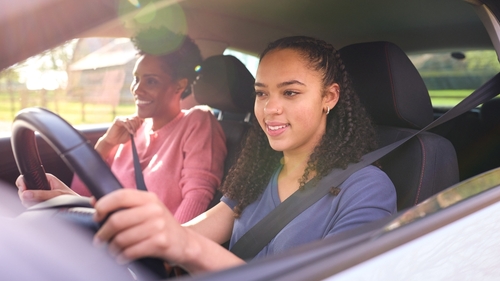
At Freedom Injury Network we are passionate about all drivers operating their vehicles safely, because we have seen firsthand the devastating effects of distracted, intoxicated, and unsafe driving. Getting behind the wheel is one of the biggest milestones in a teenager’s life, but it is also a period when crash risk is especially high compared with that of more experienced drivers. As a parent, understanding the risks your teen faces and having ongoing conversations about safe driving habits can help you set clear expectations and support safer choices on the road. If a crash occurs, knowing how to respond can also help your family prioritize your teen’s health and recovery.
At Freedom Injury Network, we provide coordinated, patient centered care for Arizona families after car accidents, including teens who are beginning their driving journey. If your teen has been in an accident, call 480-535-6300 to speak with our team.
According to the National Highway Traffic Safety Administration (NHTSA), teen drivers face a disproportionately high crash risk compared with more experienced motorists because they are still building driving experience, decision making skills, and safe habits behind the wheel.
These factors combine to make the first few years of driving among the most dangerous for any driver. Understanding why this period carries so much risk is the first step toward helping your teen navigate it more safely.
Even with supervised practice, newly licensed teen drivers are still developing the experience, judgment, and hazard recognition skills that help motorists respond safely to changing road conditions. The risks below can be especially significant during a teen’s first years behind the wheel:
Helping a teen learn to drive safely takes more than completing driver’s education or passing a road test. Parents can play an important role by being a good driving example, setting clear expectations, practicing in a variety of conditions, and creating an environment where a teen feels comfortable asking for help before a risky situation becomes a crash.
A written driving agreement gives you and your teen a clear, shared understanding of the rules before problems arise. Include expectations for seat belt use, phone-free driving, passengers, speed, nighttime driving, substance use, and what will happen if those rules are not followed. Review the agreement together, give your teen a chance to ask questions, and update the rules as they gain experience and demonstrate responsible habits behind the wheel.
Make seat belt use a non-negotiable rule for every person in the vehicle, on every trip, no matter how short the drive. Your teen should not begin driving until every passenger is properly buckled, including friends in the back seat. Buckling up is not simply about following a family rule; it is one of the most effective ways to reduce the risk of serious injury or death in a crash.
Before leaving, have your teen place their phone out of reach and activate a do-not-disturb setting or silence notifications. They should set navigation and music before shifting into drive, then wait until they are safely parked to respond to calls, texts, social media, or route changes.
Remind your teen that safe driving requires their full attention, and that passengers, social media, calls, texts, and navigation changes should wait until the vehicle is safely parked.
During the first six months of an Arizona Class G license, drivers generally may not carry more than one passenger under age 18 unless an exception applies. Families may choose to maintain stricter passenger limits beyond that period while a teen continues building confidence and sound decision making skills.
As your teen gains experience and consistently demonstrates safe judgment, you can gradually revisit those limits.
Continue practicing with your teen even after they receive a license. Focus on situations that may not have been covered enough during basic instruction, including highways, heavy traffic, signage, blind spots, parking lots, rural roads, merging, nighttime driving, rain, and other challenging conditions.
Use each drive as an opportunity to calmly talk through scanning for hazards, choosing a safe following distance, and making decisions before the vehicle reaches a difficult situation.
Encourage your teen to drive with the assumption that other road users may make mistakes. This means looking well ahead – usually 12-15 seconds, which equates to the next intersection on city streets or about the next quarter mile for highways – checking mirrors regularly, maintaining a safe following distance – usually 3 seconds to give plenty of reaction time – leaving room to stop, being aware of joggers, scooters, or cyclists who can often assume right-of-way without double checking their surroundings, and watching for drivers who may turn, merge, brake suddenly, or fail to yield.
Explain that defensive driving is not about being fearful; it is about staying prepared and giving yourself enough time and space to respond safely. Reinforce these habits during supervised drives by asking your teen what hazards they see and what they would do if traffic suddenly changed.
Arizona generally restricts Class G license holders from driving between midnight and 5 a.m. during the first six months, with exceptions for situations such as work, school or sanctioned activities, religious activities, family emergencies, or driving with a licensed guardian.
Consider maintaining a family nighttime driving limit beyond the state restriction if your teen is still gaining confidence with nighttime conditions. A parent-teen agreement can make the rule clear while allowing limited exceptions for school, work, or other preapproved responsibilities.
Make sure your teen knows they can contact you or another trusted adult at any time if they feel unsafe to drive or ride with someone else. This may include situations involving fatigue, alcohol or drugs, an impaired driver, unsafe weather, aggressive passengers, or simply feeling overwhelmed behind the wheel.
Tell your teen that their immediate safety comes first and that you will address questions, concerns, or consequences later, once they are home safely. A clear no questions asked pickup plan can make it easier for teens to choose a safe alternative instead of feeling pressured to get in a car or drive when they should not.
Teens often learn as much from watching their parents drive as they do from formal driving instruction. Wear your seat belt, keep your phone away, obey speed limits, use turn signals, avoid aggressive driving, and stay calm when other motorists make mistakes. When appropriate, explain the choices you make behind the wheel, such as why you leave extra space in traffic or decide not to drive when you are too tired.
If your teen is involved in a crash, encourage them to focus first on safety and follow these steps when they can do so safely:
If your teen is injured in a car accident, timely evaluation and a personalized treatment plan can help address both immediate symptoms and concerns that emerge during recovery. At Freedom Injury Network, our physician led team coordinates care across specialties, helping families access the support their teen may need in one connected network.
Depending on your teen’s needs, care may include primary care, orthopedics, neurology, interventional pain management, physical therapy, behavioral health support, and diagnostic services. We also recognize that a crash can affect emotional well-being, particularly for a new driver, and car accident therapy may be an important part of a personalized recovery plan.
If your teen needs care after a car accident, contact Freedom Injury Network at 480-535-6300 to schedule an appointment.
Why Is My Doctor Sending Me to Pain Management?
