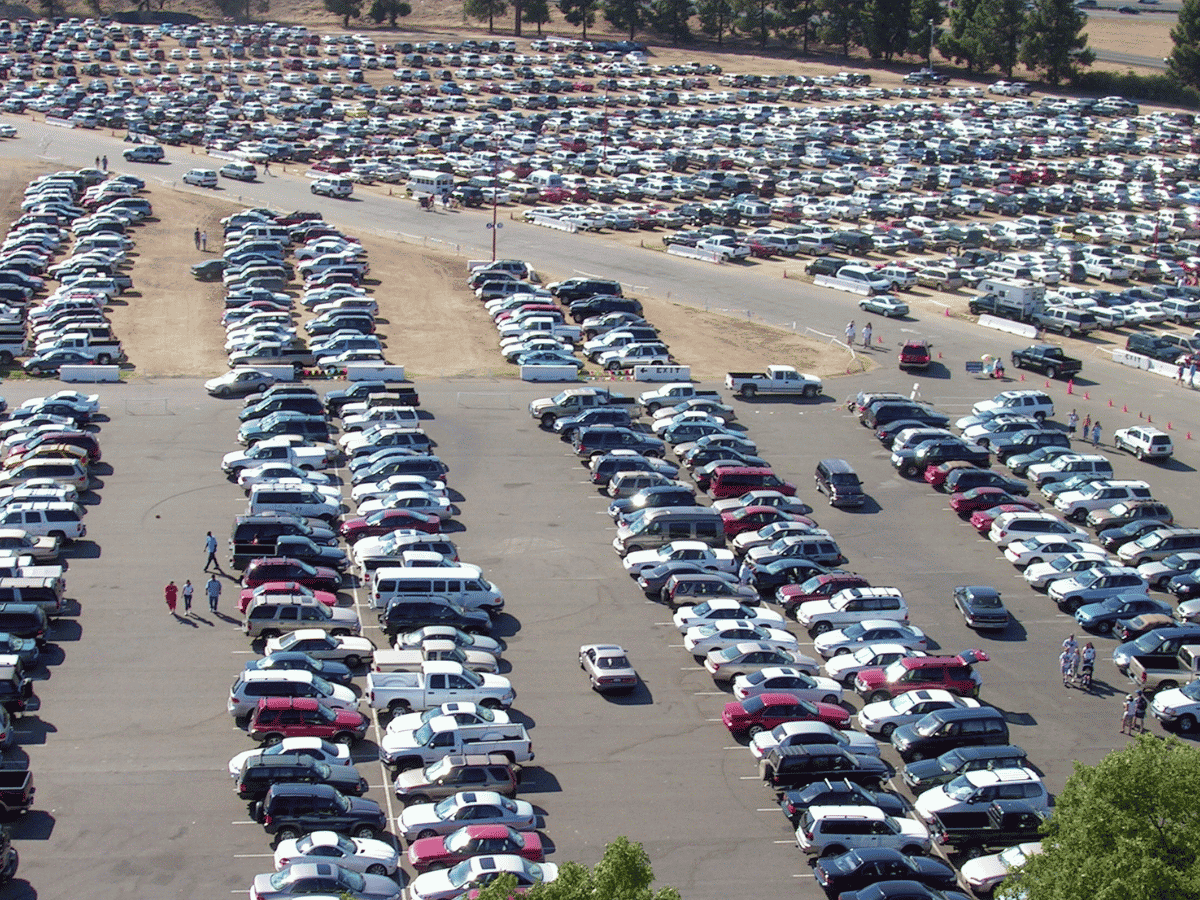
It’s that magical time of the year where holiday shopping is in full swing, and parking lots throughout Arizona malls are filling up. If you’re planning a holiday trip to Scottsdale Fashion Square or Chandler’s Fashion Center, Arizona Mills in Tempe, Premium Outlet Malls in Glendale, Anthem, or Tucson, you know it can be a bit ruthless in the parking lot. From back-up collisions to pedestrian incidents, these crashes often create confusion about who is at fault, whether police should be called, and what happens if someone is injured.
If you’ve been involved in a parking lot accident, understanding your rights and responsibilities can help protect both your health and your legal interests.
Why Parking Lot Accidents Are So Common
Unlike public roads, parking lots contain a mix of vehicles, pedestrians, shopping carts, stop signs, crosswalks, and limited visibility. Drivers are often focused on finding a parking space rather than spotting hazards around them.
Common causes of parking lot accidents include:
- Drivers backing out without checking for approaching vehicles
- Distracted driving, including cell phone use
- Speeding through parking aisles
- Failure to yield to pedestrians
- Ignoring stop signs and directional arrows
- Poor lighting or obstructed views
- Aggressive driving in crowded lots
Because parking lots are considered private property in many situations, determining fault isn’t always as straightforward as it would be on a public roadway.
Most Common Types of Parking Lot Accidents
Backing-Out Collisions
This is one of the most common parking lot crashes. It occurs when two vehicles back out of adjacent spaces simultaneously or when one vehicle backs into a passing vehicle. In many cases, both drivers may share responsibility because both had a duty to ensure the path was clear before reversing.
Vehicle vs. Pedestrian Accidents
Pedestrians are particularly vulnerable in parking lots where traffic moves unpredictably and visibility may be limited. These accidents can result in:
- Broken bones
- Head injuries
- Spinal injuries
- Soft tissue injuries
- Serious complications for children and older adults
Rear-End Collisions
Although vehicles travel at lower speeds in parking lots, rear-end crashes still occur when drivers stop suddenly or fail to pay attention.
Intersection and Stop Sign Collisions
Many parking lots have marked intersections and stop signs. Drivers who fail to obey these signs can cause side-impact or T-bone crashes.
Dooring Accidents
A parked vehicle occupant opens a door into the path of another vehicle, cyclist, or pedestrian, causing a collision. We recently treated a cyclist who was traveling in his proper bike lane when a parallel parked car, who was also in their proper spot, suddenly opened their door without checking at the exact moment he was about to pass the vehicle.
Who Is at Fault in a Parking Lot Accident?
Fault depends on the specific circumstances of the crash.
A Driver Backing Out
A driver reversing from a parking space generally has a duty to yield to moving traffic. If they back into a vehicle driving through the parking aisle, the reversing driver is often found primarily at fault.
Two Cars Backing Out
If two vehicles are backing out simultaneously and collide, fault may be shared between both drivers.
Running a Stop Sign
A driver who ignores a stop sign or traffic-control device may be considered responsible for the accident. There are some intersections within parking lots or around garage turns that don’t have a stop sign. In those cases, always slow down, look both ways, and proceed with caution – even if you are the vehicle that has the right-of-way (e.g. moving straight, not turning).
Unsafe Driving
Speeding, distracted driving, texting, or reckless behavior can all contribute to liability.
Shared Fault Situations
Many parking lot accidents involve comparative negligence, meaning more than one person may bear some level of responsibility. Evidence such as photographs, witness statements, surveillance footage, and vehicle damage patterns often help determine liability.
Do Pedestrians Always Have the Right of Way?
The short answer: Not always. While drivers have a duty to exercise caution and avoid hitting pedestrians, pedestrians also have responsibilities. For example:
Pedestrians Often Have the Right of Way When:
- Crossing in a designated crosswalk
- Walking through marked pedestrian areas
- Following traffic-control signals
Pedestrians May Share Responsibility When:
- Walking unexpectedly between parked vehicles
- Entering traffic without giving drivers time to react
- Ignoring designated walkways when safer routes are available
Every case is fact-specific. A driver’s responsibility to remain alert is significant, but pedestrians are not automatically free from fault in every situation.
Should You Call the Police After a Parking Lot Accident?
Many people assume police won’t respond because the crash occurred on private property. While practices vary by jurisdiction, it’s often wise to contact law enforcement and report the accident, especially if:
- Someone is injured
- The vehicles have significant damage
- The other driver appears impaired
- There is a dispute about fault
- One party leaves the scene
- Insurance information cannot be exchanged
Even if officers do not complete a formal crash report, documenting the incident can help create a record of what occurred.
What Information Should You Collect?
After ensuring everyone is safe, gather:
Driver Information
- Name
- Phone number
- Driver’s license information
- Insurance carrier and policy number
Vehicle Information
- Make and model
- License plate number
- Vehicle damage photos
Evidence
- Photos of the scene
- Traffic signs and markings
- Nearby surveillance cameras
- Witness contact information
The more evidence available, the easier it may be to establish what happened.
What If You’re Injured?
Many people walk away from parking lot accidents believing they’re fine, only to develop symptoms hours or days later. Common delayed symptoms we’ve seen include:
- Neck pain
- Back pain
- Headaches
- Shoulder injuries
- Concussion symptoms
- Numbness or tingling
Seek Medical Attention Promptly
Even low-speed impacts can cause injuries that are not immediately obvious. Early evaluation can help identify problems before they worsen and it creates medical documentation connecting the injury to the accident. Missing appointments or delaying care can make recovery more difficult and may complicate insurance claims.
Report the Injury
Notify your insurance company and document all medical treatment related to the incident.
Can You File a Claim After a Parking Lot Accident?
Yes. Depending on the circumstances, you may be able to pursue compensation for:
- Medical expenses
- Lost wages
- Rehabilitation costs
- Pain and suffering
- Property damage
The success of a claim often depends on proving fault and demonstrating how the accident caused your injuries.
How Freedom Injury Network Can Help
Parking lot accidents may occur at lower speeds, but they can still lead to serious injuries, costly vehicle damage, and complicated questions about fault. Whether the accident involves another vehicle or a pedestrian, documenting the scene, seeking medical attention when needed, and understanding your rights can make a significant difference.
At Freedom Injury Network, our job every day centers around effectively evaluating and treating injured individuals with compassion and the best medical solutions available. Our providers are highly experienced in accident-related injuries. Early assessment and proper treatment can play an important role in your recovery and help ensure injuries are properly documented from the beginning. We’re here for you if you need. In the meantime, enjoy some shopping!