
Blogs & News
Why Is My Doctor Sending Me to Pain Management?
If you’ve been injured at work or in a car accident, it can be common for your doctor or chiropractor to refer you to a pain management specialist. You may be asking, “Does this mean…


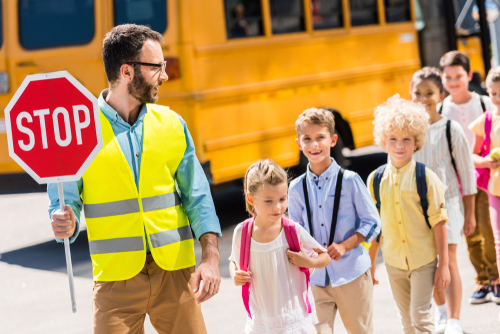
Arizona is home to some amazing K-12 schools from local elementary schools, hundreds of charter schools, many private options, and large school districts with award-winning programs and teachers. With so many schools throughout the State, especially in the larger metro areas like Phoenix and Tucson, navigating unfamiliar drop-off and pickup routines can be a common occurrence for Arizona drivers. School zones, bus stops, and residential streets suddenly carry a lot more foot traffic than they do in the summer time, and adjusting your habits accordingly can make a real difference in keeping students safe.
At Freedom Injury Network, we help Arizona families navigate coordinated care after a traffic accident, whether that accident happens during back-to-school season or any other time of year. If you or a loved one was hurt in a crash, call 480-535-6300 to speak with our team.
School season changes the flow of traffic around schools and nearby neighborhoods. More children may be walking, biking, waiting at bus stops, or moving through drop-off and pickup areas during the morning and afternoon commute.
Drivers can help protect students by slowing down, following posted signage or school zone flashers, eliminating distractions, watching carefully for pedestrians (many of whom are often whimsically unaware of nearby traffic), and allowing extra travel time. These simple precautions matter most in areas where vehicles, school buses, and children share limited space.
A few extra moments of caution can help drivers protect children, avoid preventable collisions (and speeding tickets), and create a safer commute for everyone. Here are some important reminders for all of us to stay safe:
Reduced speed limits in school zones exist because stopping distance matters enormously when a child could step into the road unexpectedly. Slowing down gives you more time to react and reduces the severity of any potential collision. It also saves you money. Speeding tickets in school zones are serious business in Arizona – with penalties doubled – and those going 35MPH or more (in the 20MPH designated area) are subject to a criminal misdemeanor and license revocation.
Phones, food, and other distractions are dangerous in any driving situation, but they’re especially risky in areas with unpredictable pedestrian traffic. Put your phone away before you’re anywhere near a school zone or residential street during school hours.
Children can move quickly through school entrances, crosswalks, and nearby intersections, particularly during arrival and dismissal times. Slow down, follow all traffic signs and signals, yield when required, and scan carefully before proceeding, even if you have the right-of-way.
According to the National Highway Traffic Safety Administration, drivers in all lanes behind the school bus must stop when it is displaying flashing red lights and an extended stop arm. Remain stopped until the red lights stop flashing, the stop arm retracts, and the bus begins moving again. If you are on the opposite side of the road, and it is a two-lane road (meaning one lane in each direction), you must also stop. If you are traveling on the opposite side of the road and there is a median or turning lane, you do not need to stop, but you should proceed with extreme caution. .
Use extra care near bus stops, driveways, and parked vehicles, where children may be difficult to see until they are close to the roadway. Reduce your speed and scan the area carefully, particularly during the morning rush (usually 7:00A-8:30A) and afternoon dismissal hours (usually 2:00P-3:30P).
Pickup and drop-off lines can be hectic, with children, parents, school staff, and vehicles moving through a limited area. Stay patient, follow school traffic procedures, avoid driving around stopped vehicles, and travel slowly enough to respond safely if someone enters your path.
School traffic can add time to your commute, especially near schools during peak arrival and dismissal periods. Ideally you should plan an alternate route during this peak period, but if that’s not possible, please remember to leave early so you can avoid speeding, abrupt lane changes, or other rushed or emotional driving decisions that can put people at risk.
School zones often require the greatest attention around morning arrival and afternoon dismissal, when more children are walking, biking, riding buses, and moving through pickup and drop-off areas.
Be especially alert near school entrances, crosswalks, bus stops, and residential streets that students use to travel to and from school. Parked cars, buses, and heavy traffic can limit visibility, so slowing down and scanning carefully can help you respond safely.
If you are involved in a traffic accident during school season or at any other time, take these steps:
If a crash does happen, getting the right care quickly, and staying with that care through a full recovery, truly matters.
Freedom Injury Network takes a physician-led, holistic approach to injury and chronic pain care, with specialists across interventional pain management, primary care, orthopedics, neurology, behavioral health, physical therapy,and diagnostic lab services, all working together under one connected network. Whatever kind of care your recovery requires, our team can help coordinate it in one place rather than leaving you to piece together your own treatment across disconnected providers.
Contact Freedom Injury Network at 480-535-6300 today if you need coordinated care after an accident.
Why Is My Doctor Sending Me to Pain Management?
