“I have been coming here since January and have received the best care. They are very responsive, helpful, and explain and answer all my questions. I highly recommend!”
Grace Z.


Waiting for action...
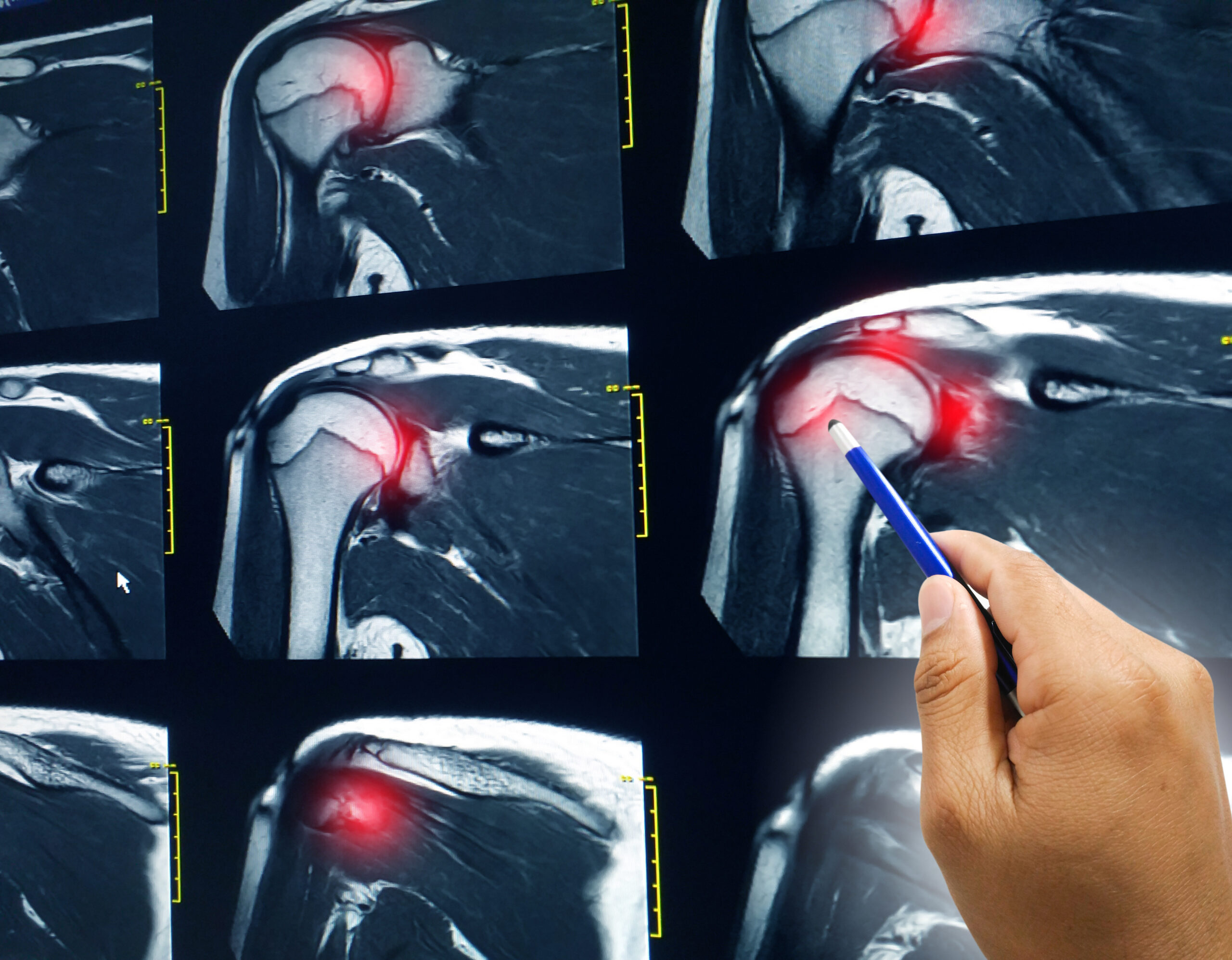
Shoulder pain from an injury that interferes with reaching, lifting, or sleeping is one of the most common complaints that brings patients to an orthopedic specialist. Usually, a rotator cuff tear is among the most frequent causes. Appropriate treatment can help improve shoulder function, reduce pain, and support a return to the activities you value.
Freedom Injury Network provides rotator cuff tear treatment offering a range of care options from conservative non-surgical options through surgical repair when appropriate. Our orthopedic specialists develop individualized treatment plans based on the type and severity of each patient’s injury as well as their specific recovery goals. Call 480-535-6300 to schedule your evaluation today.
The rotator cuff is a group of four muscles and their associated tendons that surround the shoulder joint, holding the ball of the upper arm bone securely within the shoulder socket. These muscles work together to stabilize the shoulder and power the arm’s range of motion. A rotator cuff tear occurs when one or more of these tendons is partially or completely torn from the bone, compromising shoulder strength and function.
Tears are classified as partial, meaning the tendon is damaged but not completely severed, or full-thickness, meaning the tendon is torn completely through. Full-thickness tears that involve a significant portion of the tendon are more likely to require surgical repair, while partial tears often respond well to conservative treatment.
Rotator cuff tears often produce a recognizable pattern of symptoms that tend to worsen with specific movements. Common signs may include:
Symptoms can develop gradually in degenerative tears or appear suddenly following a traumatic injury. The severity of symptoms does not always correspond directly to the size of the tear, which is why imaging is usually important for making an accurate diagnosis.
Rotator cuff tears fall into two broad categories based on their cause. Degenerative tears develop over time as tendons weaken with age, repetitive use, and reduced blood supply. Traumatic tears occur suddenly as a result of a specific injury such as a fall on an outstretched arm, a heavy lift, or a direct blow to the shoulder as in the case of a car accident.
Degenerative tears are far more common and are the primary type seen in patients over 40. Many degenerative tears are initially asymptomatic and become painful only when a secondary event, such as a minor strain, causes a partial tear to become complete.
Certain factors may increase the likelihood of developing a rotator cuff tear, including:
Accurate diagnosis helps determine whether non‑surgical treatment is appropriate or whether surgical repair may offer the best chance for optimal recovery. The diagnostic process at Freedom Injury Network includes a comprehensive medical history review, a physical examination testing shoulder strength, range of motion, and specific provocative maneuvers, and imaging studies.
An MRI is the preferred diagnostic tool for rotator cuff tears because it provides detailed images of soft tissue structures including the tendons, muscles, and bursa. An ultrasound is a useful alternative or complementary tool that allows dynamic assessment of the shoulder during movement. X-rays may be taken to assess bone structure and identify any spurs or arthritic changes contributing to the problem.
Many rotator cuff tears, particularly partial tears and full-thickness tears in patients who are not surgical candidates or who prefer to exhaust conservative options first, can often be effectively managed without surgery.
Non-surgical treatment options may include:
Non‑surgical treatment tends to be most effective in patients with partial tears, those with lower physical demands, and those whose symptoms are primarily pain‑related rather than involving significant weakness or functional loss.
Non-surgical recovery timelines vary based on the size and type of the tear and how consistently the patient follows the rehabilitation program. Many patients experience meaningful improvement within about four to six weeks of beginning a structured physical therapy program, with more complete functional recovery often occurring over roughly three to six months.
Patients are encouraged to set realistic expectations and maintain consistency with their home exercise routine throughout recovery.
Surgical repair is often the most appropriate path toward full recovery when:
A very common surgical approach is arthroscopic rotator cuff repair, a minimally invasive procedure in which the surgeon reattaches the torn tendon to the bone using small anchors through tiny incisions. In some cases, particularly those involving large or complex tears, open or mini-open repair techniques may be used.
Additional procedures that may be performed at the time of repair include removal of bone spurs, treatment of biceps tendon problems that frequently accompany rotator cuff tears, and debridement of damaged tissue that cannot be fully repaired.
Surgical recovery is a staged process that requires patience. The repaired tendon needs time to heal to the bone before it can be stressed with progressive loading.
Many patients wear a sling for four to six weeks postoperatively to protect the repair. Gentle range of motion exercises begin in the early weeks, progressive strengthening starts at three to four months, and full return to unrestricted activity often occurs between six and twelve months depending on the extent of the repair and the patient’s individual healing response.
Once a rotator cuff tear has been treated, steps can be taken to help reduce the risk of re‑injury and protect the long‑term health of the shoulder. It may be beneficial to:
After your accident, whether at work, from a fall, or in a car accident, you will receive a thorough evaluation of your injuries, including any shoulder pain you may be experiencing. If your shoulder pain persists beyond a few days without improvement, weakness when lifting or rotating the arm, night pain that disrupts sleep on a consistent basis, a sudden sharp pain and pop in the shoulder following a specific injury, or difficulty performing routine daily activities due to shoulder pain or weakness, then please immediately contact our team.
Early evaluation and treatment are generally associated with better outcomes than waiting, as smaller or partial tears that go untreated can progress to larger and more complex injuries over time.
Freedom Injury Network brings orthopedic care and a patient-centered approach to rotator cuff tears throughout the greater Phoenix area. Our rotator cuff tear specialists evaluate each patient thoroughly, explain all available options in plain language, and develop treatment plans that reflect both the clinical picture and the patient’s personal goals and lifestyle.
Whether you are exploring non‑surgical options or preparing for rotator cuff surgery, we provide support aimed at helping you achieve the best possible outcome after your accident. We are committed to guiding patients from initial diagnosis through recovery with clear communication, evidence-based care, and genuine personal attention at every step.
Contact the Freedom Injury Network at 480-535-6300 to schedule your rotator cuff evaluation today.