“I have been coming here since January and have received the best care. They are very responsive, helpful, and explain and answer all my questions. I highly recommend!”
Grace Z.


Waiting for action...
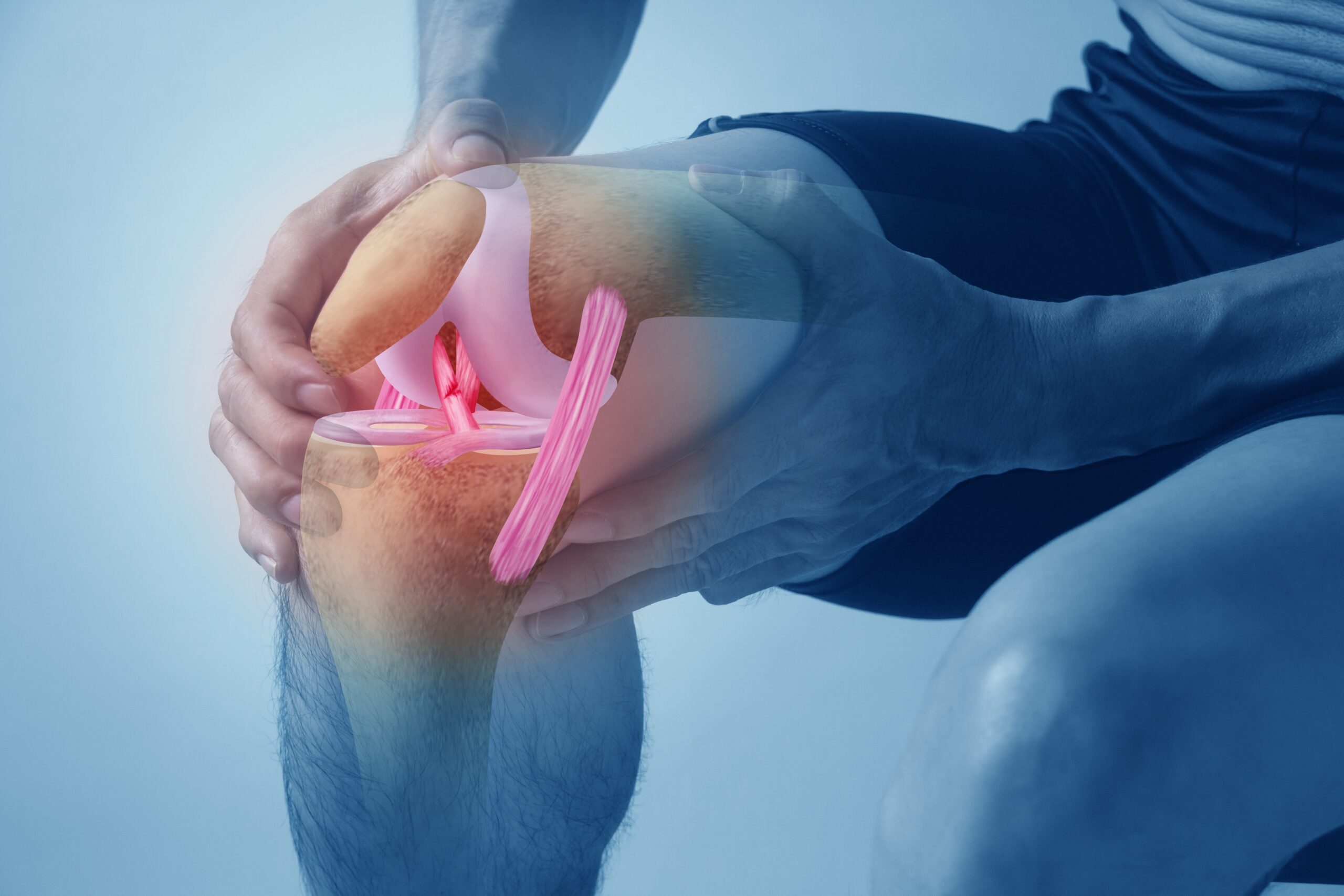
A meniscus tear is one of the most common knee injuries treated by orthopedic specialists, affecting athletes, active adults, and older patients alike. Whether the injury occurred during a sudden twist from a car accident or or developed gradually through years of repetitive workplace activity (like lifting or operating heavy machinery), the pain, swelling, and instability a torn meniscus causes can significantly limit your ability to move, work, and enjoy daily life.
Freedom Injury Network connects patients in Scottsdale and throughout the greater Phoenix area with experienced orthopedic specialists for meniscus tear evaluation and treatment. Call us at 480-535-6300 to schedule your evaluation today and start the process of addressing your knee pain and restoring function.
The meniscus is a C-shaped piece of cartilage that sits between the femur and tibia in the knee joint, functioning as a cushion and shock absorber between the two bones. Each knee has two menisci, one on the inner side of the joint and one on the outer side. These structures distribute weight across the knee, stabilize the joint, and reduce friction during movement. When the meniscus is torn, its ability to perform these functions is compromised, leading to pain, swelling, catching, and instability that can range from mildly inconvenient to severely debilitating.
Meniscus tears can occur through acute injury, such as a sudden twist or pivot while the foot is planted, or through degenerative changes that weaken the cartilage over time and make it more susceptible to tearing with ordinary activity.
The medial meniscus sits on the inner side of the knee and is the more commonly torn of the two. It is less mobile than the lateral meniscus and therefore more vulnerable to stress during rotational movements. Medial meniscus tears frequently occur in combination with other knee injuries, including ACL tears, and are common in contact sports, skiing, as well as car accidents since some accidents involve rapid changes of direction.
The lateral meniscus sits on the outer side of the knee and is generally more mobile than the medial meniscus. Lateral tears are somewhat less common but still occur frequently, particularly in athletes and individuals who sustain direct impact to the knee. Because of its greater mobility, the lateral meniscus is sometimes involved in complex tear patterns that require careful surgical planning when repair is indicated.
Meniscus tears do not always present with dramatic immediate pain, particularly in degenerative cases where the tear develops gradually. Common symptoms include:
Symptoms that involve locking of the knee or significant instability may indicate a more complex tear and warrant prompt evaluation.
Accurate diagnosis begins with a comprehensive clinical evaluation including a detailed history of how the injury occurred and a physical examination of the knee. Specific physical examination maneuvers, including the McMurray test and the Thessaly test, are used to identify signs of meniscus pathology. Tenderness along the joint line is a common finding in meniscal tears.
An MRI is typically the preferred imaging modality for meniscus evaluation because it provides detailed visualization of the cartilage, surrounding ligaments, and other soft tissue structures without radiation exposure. An MRI can characterize the location, pattern, and extent of a tear, all of which influence treatment planning. X-rays may also be obtained to evaluate bone structure and identify any associated arthritic changes that could affect treatment decisions.
Not all meniscus tears require surgery, but it depends on the type of tear, location, and severity, as well as the patient’s age and activity level, and the degree of symptoms. Non-surgical treatment options include:
Degenerative tears in older patients and stable partial tears in younger patients are often initially managed non-surgically and may respond well to non-surgical management. However, certain tear patterns, particularly displaced tears, bucket-handle tears, and tears that cause mechanical symptoms such as locking, are less likely to heal with non-surgical treatment alone.
Surgery is generally considered when non-surgical treatment has not produced adequate relief after an appropriate trial. Situations where surgery may be recommended include:
Meniscus surgery is most commonly performed arthroscopically, using small incisions through which a camera and specialized instruments are inserted into the knee joint. This minimally invasive approach generally reduces recovery time and may lower surgical risk compared to open surgery.
The two primary surgical techniques are meniscus repair and partial meniscectomy.
Meniscus repair involves suturing the torn edges of the meniscus back together, preserving the tissue and its function. This approach is preferred when the tear is located in the outer portion of the meniscus where blood supply is sufficient for healing.
Partial meniscectomy involves removing the torn fragment when repair is not feasible, typically when the tear is in the inner portion of the meniscus where blood supply is limited. Preserving as much healthy meniscal tissue as possible is a priority in either case, as the meniscus plays an important role in long-term knee health and reducing the risk of arthritis.
Recovery timelines vary significantly depending on which procedure was performed. Partial meniscectomy generally allows for faster recovery, with many patients often returning to light activity within a few weeks and some returning to full activity within four to six weeks, depending on recovery. Meniscus repair requires a longer protected recovery period because the repaired tissue must heal before it can be loaded progressively.
Following meniscus repair, patients typically use crutches for several weeks, avoid deep knee bending and squatting during the initial healing phase, and follow a structured physical therapy program that progresses through range of motion, strengthening, and functional training. Return to sports or physically demanding activity after repair often occurs between four and six months, depending on the extent of the repair and the patient’s progress through rehabilitation.
Your provider will set realistic expectations for your specific recovery based on the type of surgery performed, the characteristics of your tear, and your individual healing response.
Choosing to manage a meniscus tear without professional evaluation or delaying recommended treatment can have consequences for long-term knee health. A torn meniscus that continues to bear load may increase the risk of tear progression and contribute to earlier joint degeneration over time. Persistent mechanical symptoms such as locking can also cause damage to the cartilage surfaces of the joint if not addressed.
Early evaluation allows for treatment decisions to be made at a time when the full range of options, including repair, is most likely to be available.
Freedom Injury Network connects patients with orthopedic specialists experienced in evaluating and treating meniscus injuries across the full spectrum of presentations. Our orthopedic specialists provide thorough evaluations, explain all available options in plain language, and develop individualized treatment plans based on each patient’s specific injury, goals, and lifestyle.
Freedom Injury Network is a coordinated care network that connects patients with the orthopedic specialists, imaging centers, physical therapists, and other providers needed to move from injury through evaluation, treatment, and recovery efficiently. Rather than navigating the healthcare system alone and coordinating between multiple providers independently, our patients benefit from a streamlined process where care is organized and communication between providers is managed on their behalf.
For patients whose meniscus injuries resulted from a motor vehicle accident or work incident, we also work with law firms to ensure that medical documentation is cleanly organized regarding your claim. Our approach is designed to reduce the stress of recovery so patients can focus on getting better.
Freedom Injury Network brings specialized orthopedic expertise and patient-centered care to patients throughout Scottsdale and the greater Phoenix area. We are committed to accurate diagnosis, individualized treatment planning, and the kind of clear communication that helps patients feel informed and confident throughout their care.
If you are dealing with a recent acute injury or a chronic knee condition that has been affecting your quality of life, our specialists are ready to evaluate your situation and develop a treatment approach that reflects your goals.
Contact us at 480-535-6300 to schedule your meniscus evaluation in Scottsdale today.