“I have been coming here since January and have received the best care. They are very responsive, helpful, and explain and answer all my questions. I highly recommend!”
Grace Z.


Waiting for action...
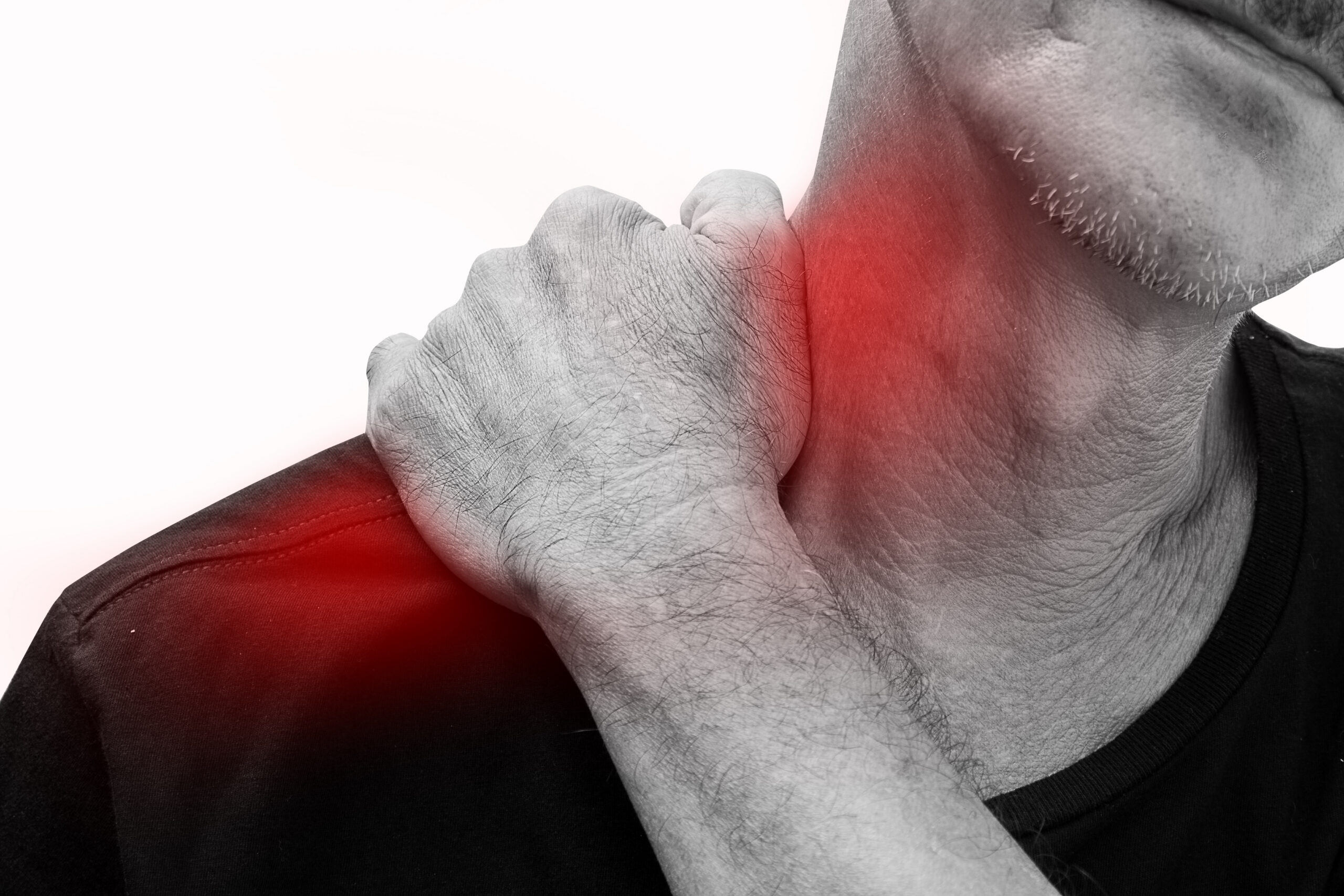
Radiculopathy, commonly referred to as “pinched nerve”, can occur as a result of a car or work-related accident, and is a disruptive spinal condition that brings patients to seek specialist care. The radiating pain, numbness, tingling, and weakness it causes can make ordinary daily activities difficult and can significantly affect work, sleep, and quality of life.
Freedom Injury Network connects patients in Scottsdale and throughout the greater Phoenix area with experienced radiculopathy specialists who provide individualized treatment plans informed by current clinical standards. Call our orthopedic specialists at 480-535-6300 to schedule your evaluation today.
Radiculopathy is a condition that occurs when a nerve root in the spine becomes compressed, irritated, or inflamed, causing symptoms that travel along the path of the affected nerve. Since the spine is categorized into vertebral regions, which also have corresponding spinal nerves – cervical or neck region (C1-C8), thoracic or mid-back region (T1-T12), and lumbar or lower back region (L1-L5) – it is possible to have one or multiple pinched nerves after an accident at different regions of the vertebral column or spine. And because nerve roots branch out from the spinal cord and extend to different parts of the body, radiculopathy typically produces symptoms not just at the site of the problem in the spine but along the entire pathway of the nerve.
A defining feature of radiculopathy is radiating symptoms, meaning pain, numbness, tingling, or weakness that extends from the spine into an arm, hand, chest, or leg depending on which nerve root is involved. This radiating quality helps distinguish radiculopathy from simple localized back or neck pain.
Radiculopathy develops when something compresses or irritates a nerve root as it exits the spinal column. The most common underlying causes include:
Radiculopathy treatment depends on the location of the affected nerve root and the underlying cause of compression. Freedom Injury Network connects patients with experienced providers who evaluate nerve-related pain conditions and develop individualized treatment plans designed to reduce symptoms and restore function.
Cervical radiculopathy involves compression or irritation of a nerve root in the neck region of the spine. The cervical spine contains eight nerve root pairs (C1-C8) that control sensation and motor function in the neck, shoulders, arms, and hands. When a cervical nerve root is compressed, patients typically experience pain that radiates from the neck into the shoulder, arm, and hand, often accompanied by numbness, tingling, or weakness in the affected arm.
Common causes of cervical radiculopathy include:
Symptoms often worsen with specific neck positions that increase nerve compression and improve when the arm is elevated to relieve tension on the nerve root.
Treatment for cervical radiculopathy begins conservatively in most cases. Physical therapy targeting the cervical spine and upper extremity musculature, cervical traction to create space around compressed nerve roots, anti-inflammatory medications, and epidural steroid injections at the affected level are all commonly used approaches.
Thoracic radiculopathy involves nerve root irritation in the mid-back region and is the least common of the three types. The thoracic spine is more stable and less mobile than the cervical and lumbar regions, making it less susceptible to the degenerative changes that most commonly cause radiculopathy. When thoracic radiculopathy does occur, it produces a characteristic band-like pain that wraps around the chest or abdomen along the path of the affected nerve, which is sometimes mistaken for cardiac or gastrointestinal symptoms.
Treatment follows a similar conservative framework to other forms of radiculopathy, with physical therapy, pain management, and in selected cases interventional procedures targeting the affected thoracic level.
Lumbar radiculopathy involves nerve root compression in the lower back, and it is the most common form of radiculopathy overall. The lumbar nerve roots control sensation and function in the lower extremities, and when compressed, they produce the pattern of symptoms most people recognize as sciatica, though lumbar radiculopathy and sciatica are not identical terms.
Symptoms of lumbar radiculopathy typically include:
Lumbar radiculopathy most commonly results from herniated discs at the L4-L5 or L5-S1 levels, though degenerative changes at other lumbar levels can also produce radicular symptoms. Treatment often involves a combination of physical therapy, activity modification, anti-inflammatory medications, and targeted lumbar epidural steroid injections when conservative care alone is insufficient.
Some radiculopathy cases can be managed without surgery. Non-surgical treatment options include:
Non-surgical treatment is often more effective when it is initiated early after symptom onset and when it is tailored specifically to the location and severity of the nerve root involvement.
Accurate diagnosis is the foundation of effective radiculopathy treatment. The diagnostic process at Freedom Injury Network begins with a thorough medical history covering the onset, location, and character of symptoms, aggravating and relieving factors, and any prior spinal conditions or injuries. A detailed physical and neurological examination assesses reflexes, muscle strength, sensation, and maneuvers that help identify which nerve root is affected.
Imaging often plays an important role in confirming the diagnosis and identifying the structural cause of nerve root compression. An MRI is often the preferred imaging tool because it visualizes the discs, nerve roots, spinal cord, and surrounding soft tissue structures with high detail.
CT scanning and CT myelography may be used as supplementary tools in specific clinical situations. Electrodiagnostic testing, including electromyography and nerve conduction studies, can confirm the presence and severity of nerve root dysfunction when the clinical picture warrants further evaluation.
Surgery for radiculopathy is considered when conservative treatment has been pursued for an adequate period without sufficient improvement, when neurological deficits such as progressive weakness or loss of function are worsening, or when bladder or bowel dysfunction is present. The surgical approach depends on the location and cause of the nerve root compression.
Common surgical procedures for radiculopathy include:
The decision to pursue surgery is always made collaboratively based on the patient’s imaging findings, symptom severity, functional limitations, and overall health and preferences. Our providers offer clear guidance about when surgical evaluation is appropriate and help patients understand their treatment options before making that decision.
Freedom Injury Network brings specialized spine care expertise and a patient-centered approach to radiculopathy treatment throughout Scottsdale and the greater Phoenix area. Our orthopedic injury specialists are experienced in the full range of cervical, thoracic, and lumbar radiculopathy presentations and are committed to developing individualized treatment plans that reflect both the clinical picture and each patient’s personal goals and lifestyle.
We offer comprehensive coordinated care that connects patients with the right specialists, imaging centers, and rehabilitation providers efficiently.
We also coordinate with legal teams to ensure that medical documentation is organized for any related legal claims. Our goal is to reduce the challenges and stress of navigating recovery so patients can focus entirely on getting better.
Whether you are dealing with a recent onset of radicular symptoms or a chronic condition that has not responded adequately to prior treatment, Freedom Injury Network is ready to provide a comprehensive evaluation and the individualized care you need.
Contact Freedom Injury Network at 480-535-6300 to schedule your radiculopathy evaluation in Scottsdale today.